
Brick Field Industries Machineries
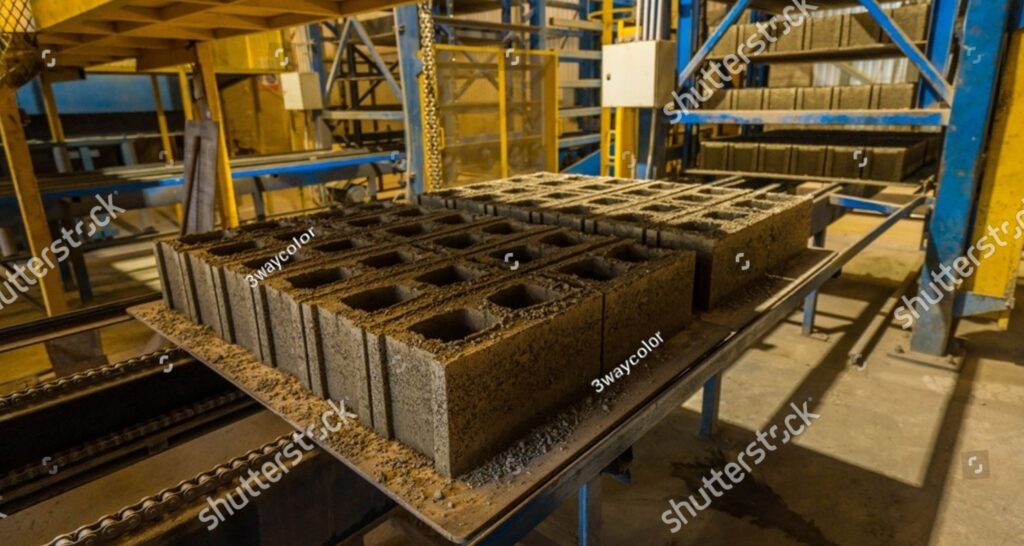
Brick field industries are increasingly adopting automation machinery to improve efficiency, reduce labor costs, and enhance the overall quality of brick production. These automated systems have revolutionized the traditional brick-making process, allowing manufacturers to produce large volumes of uniform, high-quality bricks with reduced manual intervention. Automation in brick manufacturing covers a wide range of processes, from raw material preparation to final packaging. For instance, advanced clay processing equipment automates the tasks of grinding, mixing, and blending raw materials, ensuring a consistent composition that results in a more durable final product. Once prepared, the clay is transferred to automated molding machines, which can shape the clay into bricks of precise dimensions with remarkable speed and accuracy. This precision not only improves the quality of each brick but also reduces material wastage, making the process more sustainable and cost-effective.
A key component of automation in brick field industries is the use of programmable kilns, which play a crucial role in firing bricks. Traditional kilns require careful monitoring to maintain consistent temperatures, but automated kilns come with advanced controls that can be programmed for optimal temperature management. This ensures that each batch of bricks is fired under identical conditions, producing uniformly strong and durable bricks. Furthermore, automated kilns are often designed to be energy-efficient, helping manufacturers cut down on fuel consumption and reduce their environmental footprint. Some systems also include robotic stacking and unloading mechanisms that handle the bricks post-firing, eliminating the need for manual labor and reducing the risk of product damage during handling.
Another area where automation has proven beneficial is in the packaging and logistics of finished bricks. Automated stacking and packing machines can arrange and prepare bricks for shipping efficiently, saving time and reducing human error. These systems contribute significantly to streamlining operations, especially for large-scale production where the demand for bricks is high. The integration of automation machinery in brick field industries has thus allowed manufacturers to meet the increasing demands of the construction industry with greater reliability and productivity.
Overall, the adoption of automation machinery has made brick production more efficient, sustainable, and economically viable. As construction projects continue to scale, the demand for high-quality bricks will only increase, making automation a valuable investment for brick field industries looking to stay competitive. With advanced automated systems, brick manufacturers can achieve higher production rates, improved quality control, and reduced operational costs, marking a new era of innovation and productivity in the brick-making sector.