
Packaged Drinking Water Plant and Equipment
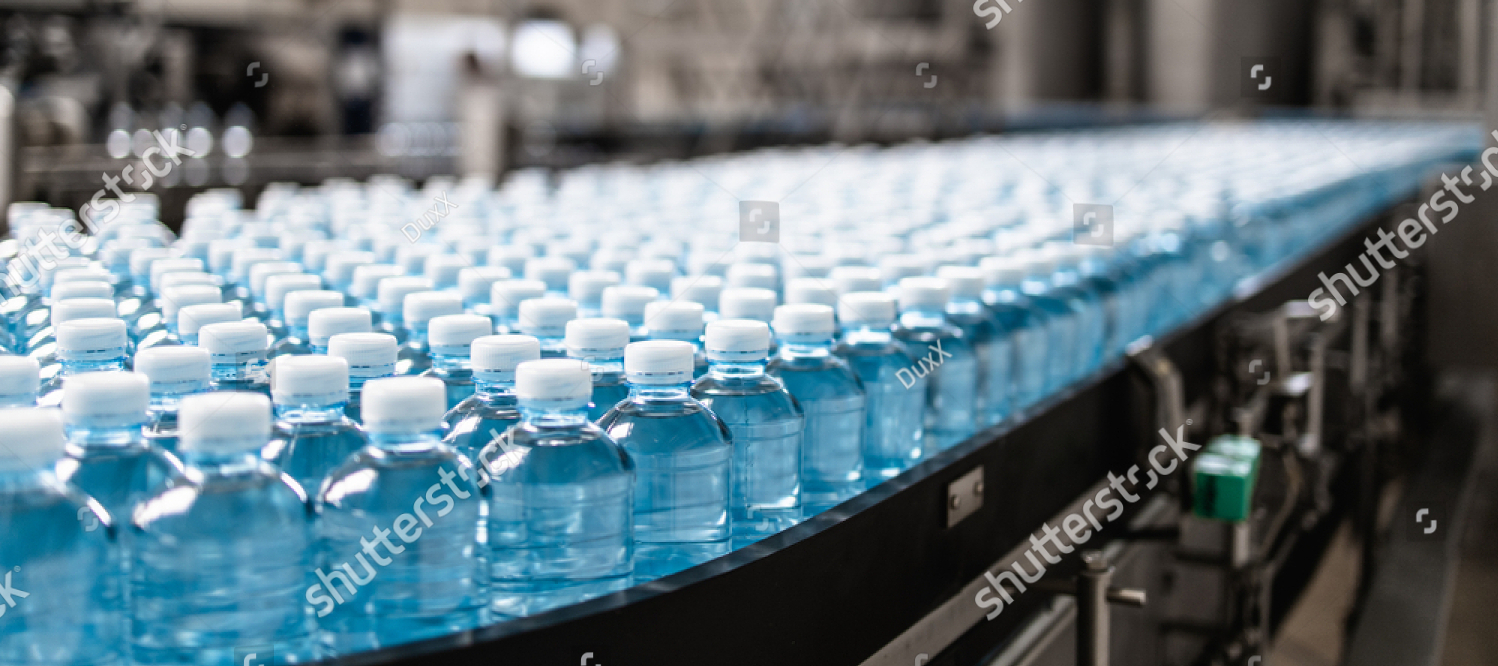
Packaged drinking water plants have become essential components of the modern beverage industry, catering to the growing demand for safe and clean drinking water in urban and rural areas alike. These plants treat and package water to meet stringent quality standards, ensuring it is safe for consumption and free from contaminants. Packaged water, often marketed as mineral or purified water, is sourced from natural springs, bore wells, or municipal supplies and undergoes extensive filtration and purification processes before being bottled. The water treatment in these plants typically involves multi-stage purification, which may include pre-filtration, reverse osmosis (RO), UV treatment, and ozonation. Each stage aims to remove impurities like sediments, chemicals, heavy metals, and biological contaminants, ultimately resulting in water that meets both national and international standards, such as those set by the Bureau of Indian Standards (BIS) or the Food and Drug Administration (FDA).
The demand for packaged drinking water has surged due to factors like urbanization, lifestyle changes, and increasing awareness of health and hygiene. In cities, where access to clean tap water may be inconsistent or limited, bottled water has become a practical and preferred choice for consumers. Additionally, travelers and tourists depend on bottled water as a convenient and reliable option to ensure safe hydration on the go. Moreover, many households and businesses, especially those in water-stressed regions, have come to rely on packaged water as an alternative to uncertain or contaminated local sources. The business of packaged drinking water, therefore, continues to grow, drawing significant investments from both large corporations and small entrepreneurs looking to enter this lucrative market.
Operating a packaged drinking water plant requires adherence to strict regulations and standards. These include obtaining licenses, ensuring proper infrastructure, and following specified production and labeling protocols. The plant setup generally comprises sections for water treatment, bottling, labeling, and quality control, with machines designed to handle each step efficiently. Despite high initial investment costs, the long-term profitability of packaged water plants makes them an attractive venture. However, challenges such as environmental concerns regarding plastic waste and sustainability of water sources pose significant issues for the industry. To address these, many companies are adopting eco-friendly packaging and focusing on efficient water usage to minimize environmental impact. The growing concern around plastic pollution is also leading to innovations in packaging materials, like biodegradable bottles and glass, to reduce the ecological footprint of the bottled water industry. Packaged drinking water plants thus represent a critical industry that continues to evolve to meet both consumer demands and environmental considerations.