
Injection Molding Machine
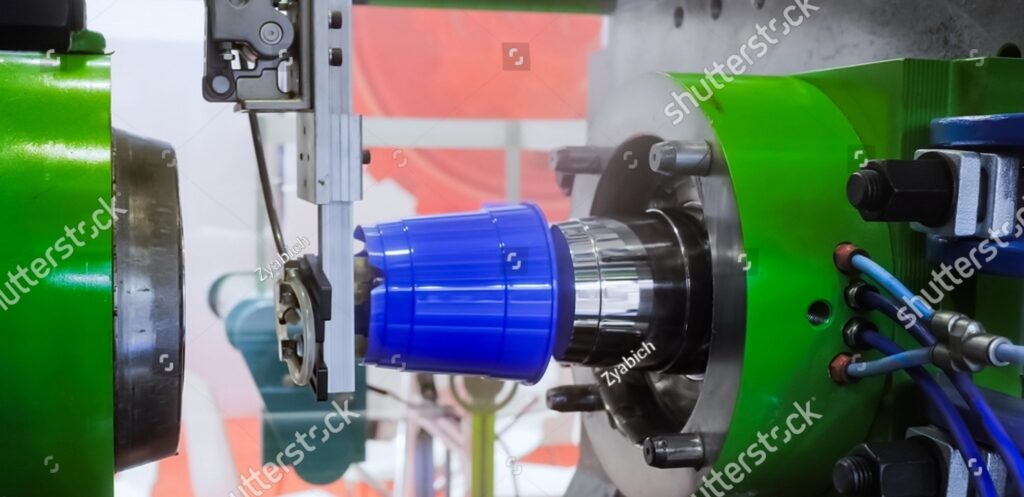
An Injection Molding Machine is a powerful industrial machine designed to produce high-precision plastic parts and products through the injection molding process. This process involves melting plastic material and injecting it into a mold to create a wide range of plastic components, including packaging materials, automotive parts, medical devices, and household products. The machine’s ability to produce parts with detailed shapes, consistent quality, and rapid speed makes it a staple in the manufacturing sector. With the capacity to use various thermoplastic and thermosetting materials, injection molding machines are versatile, able to produce items with complex geometries and tight tolerances.
Injection molding machines come in several types, including hydraulic, electric, and hybrid models. Hydraulic machines use hydraulic cylinders to drive the mold clamping and injection processes, offering robustness and durability, making them suitable for producing large, thick-walled parts. Electric injection molding machines, on the other hand, are powered by electric motors, providing faster cycle times, greater precision, and energy efficiency, ideal for high-volume, detailed applications. Hybrid machines combine the advantages of both hydraulic and electric technologies, making them highly versatile and efficient for a wide range of production needs. The core components of an injection molding machine include the injection unit, clamping unit, and control system, each playing a critical role in the accuracy, speed, and consistency of the production process.
The injection unit consists of a hopper, barrel, and screw, which melt and transport the plastic material into the mold cavity. Once inside, the material cools and hardens into the desired shape. The clamping unit holds the mold in place during injection and opens it after the product is formed. Modern machines feature advanced control systems with touch-screen interfaces, enabling precise control over parameters like injection pressure, speed, and temperature to meet specific production requirements.
Key advantages of injection molding machines include high repeatability, low material waste, and the ability to create complex shapes in a single cycle. Advanced machines also incorporate energy-saving technologies, multi-material injection options, and automated part removal, increasing production efficiency. For companies looking to invest in injection molding machines, factors such as clamping force, shot size, cycle time, and machine footprint are critical considerations. As industries strive for greener production methods, many machines now support sustainable materials, including recycled plastics, which helps reduce the environmental impact. With continual advancements in technology, injection molding machines continue to offer improved speed, precision, and cost-effectiveness for manufacturers worldwide.